
Understanding Mini Split AC Systems
As temperatures soar, homeowners are increasingly seeking efficient and customizable cooling solutions. One popular option is the mini split ac, a compact and versatile air conditioning system that provides precise temperature control. Unlike traditional window units or central air systems, mini splits are designed to deliver targeted cooling and heating, making them ideal for various living spaces, from small apartments to large homes. In this comprehensive guide, we’ll delve into the workings, benefits, and considerations of mini split AC systems to help you make an informed decision.
What is a Mini Split AC and How Does It Work?
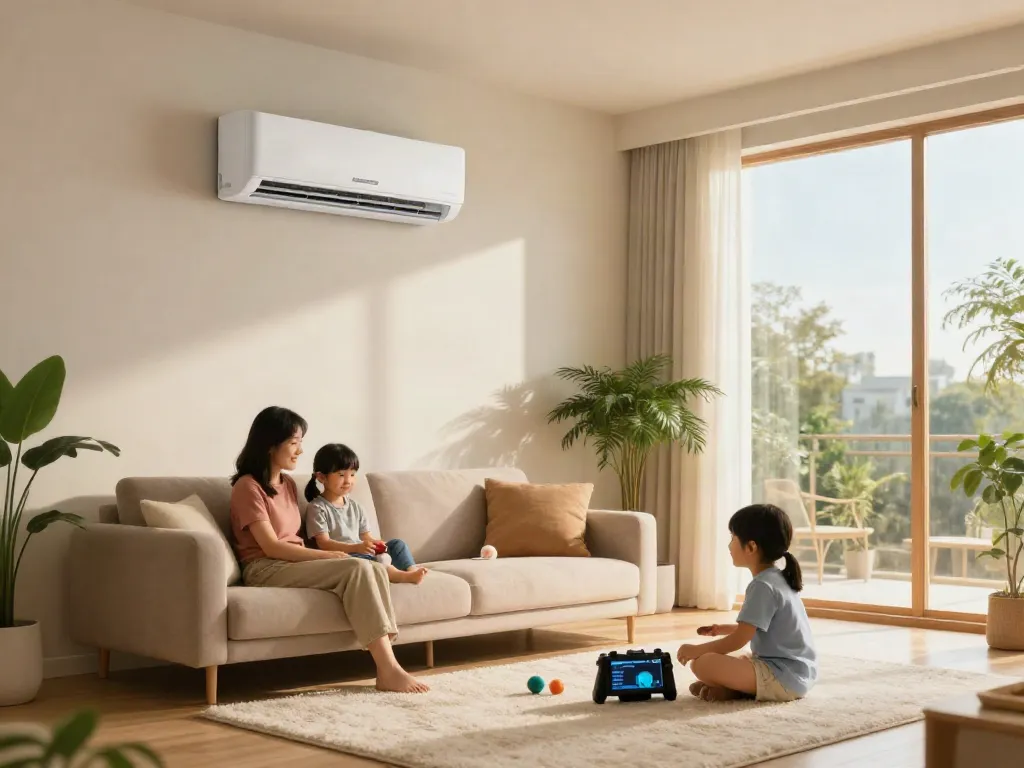
A mini split AC, also known as a ductless air conditioning system, consists of two primary components: an indoor unit and an outdoor condenser. The indoor unit is typically mounted on a wall and is responsible for distributing cool air into the living space, while the outdoor unit houses the compressor and condenser coils. This setup allows for easy installation without the need for extensive ductwork.
These systems utilize refrigerant to transfer heat from indoors to the outside, effectively cooling the space. In heating mode, the process is reversed, allowing the mini split to act as a heat pump. This dual functionality makes mini splits a versatile choice for year-round comfort.
Key Components of Mini Split Air Conditioners
- Indoor Unit: The sleek, wall-mounted component distributes cooled or heated air through a fan.
- Outdoor Unit: Houses the compressor and condensing coil, essential for heat exchange.
- Refrigerant Lines: These insulated pipes connect the indoor and outdoor units, carrying refrigerant to facilitate heat transfer.
- Thermostat: Allows users to set their desired temperature for optimal comfort.
Benefits of Choosing a Mini Split AC Over Traditional Systems
Mini split air conditioners offer numerous advantages over conventional cooling methods:
- Energy Efficiency: Mini splits operate using inverter technology, allowing them to adjust the compressor speed based on the cooling demand. This results in lower energy consumption and reduced utility bills.
- Flexibility: Because they do not require ductwork, mini splits can be installed in a variety of locations, making them ideal for retrofitting in older homes.
- Zoned Temperature Control: Homeowners can set different temperatures for individual rooms, enhancing comfort and minimizing energy waste.
- Quiet Operation: The indoor units are designed to operate quietly, providing a comfortable environment without the noise associated with traditional AC systems.
Choosing the Right Mini Split AC for Your Space
When selecting a mini split AC, it’s crucial to consider a variety of factors to ensure optimal performance and comfort in your specific environment.
Factors to Consider When Selecting a Mini Split AC
- Cooling and Heating Needs: Assess the size of your space and the climate in your region to determine the type of system that will best suit your needs.
- Indoor Unit Style: Mini splits come in various styles, including wall-mounted, ceiling-mounted, and floor-mounted units. Choose one that complements your interior design and space constraints.
- Noise Level: Look for models with a low decibel rating if noise is a concern, especially in bedrooms or quiet areas.
Sizing Your Mini Split AC: BTUs Explained
One of the most critical factors in choosing a mini split AC is ensuring the system is appropriately sized for your space. The cooling capacity of air conditioners is measured in British Thermal Units (BTUs), and selecting a unit with the correct BTU rating is essential for effective cooling.
As a general rule, a unit with 20 BTUs per square foot is suitable for cooling. For example, a 1,000 square foot area would require a mini split with a capacity of around 20,000 BTUs. However, other factors such as ceiling height, insulation quality, and local climate should also influence your selection.
Energy Efficiency Ratings and Their Importance
Energy efficiency ratings help consumers understand how much energy an AC unit consumes relative to its cooling output. Look for units with a high Seasonal Energy Efficiency Ratio (SEER) rating, which indicates superior energy performance. Higher SEER ratings typically correlate with more substantial long-term energy cost savings.
For instance, a unit with a SEER rating of 20 uses significantly less energy than one with a SEER rating of 14, making it more economical despite a potentially higher upfront cost.
Installation and Maintenance Tips for Mini Split ACs
Proper installation and maintenance are crucial for ensuring the longevity and efficiency of your mini split AC. Here are some essential tips to consider.
Professional vs. DIY Installation: What You Need to Know
While mini split systems can be installed by homeowners, it is often recommended to hire a professional. Proper installation ensures that the refrigerant lines are correctly connected, the units are level, and the system is adequately charged with refrigerant. Professional installation can also help avoid common mistakes that may affect the unit's performance.
However, if you opt for a DIY installation, be sure to follow the manufacturer’s guidelines closely and make use of available online resources.
Essential Maintenance Practices for Longevity
Regular maintenance can extend the life of your mini split AC and keep it running efficiently:
- Clean or Replace Filters: Check filters monthly and clean or replace them as necessary to maintain optimal airflow and air quality.
- Inspect the Outdoor Unit: Ensure that the outdoor unit is free of debris and has adequate airflow.
- Schedule Annual Checkups: Consider having a professional technician perform annual maintenance checks to detect and resolve any potential issues early.
Common Installation Mistakes to Avoid
When installing a mini split AC, certain mistakes can hinder performance:
- Incorrect Sizing: Choosing a unit that is too small or too large can lead to inefficiency and discomfort.
- Poor Placement: Installing the indoor unit in a location that blocks airflow can reduce cooling efficiency.
- Neglecting Insulation: Failing to insulate the refrigerant lines properly can lead to energy loss.
Comparing Top Mini Split AC Models of 2026
As the market evolves, numerous mini split models are available, each offering unique features designed to enhance comfort and efficiency. Here is what to consider when comparing models.
Features to Look for in 2026 Mini Split ACs
- Inverter Technology: Look for models with inverter technology, as this feature enhances energy efficiency and reduces operating costs.
- Smart Controls: Consider systems that offer smart controls for remote operation, allowing you to adjust settings from your smartphone.
- Multi-Zone Capability: Some models can support multiple indoor units, allowing you to customize comfort in different areas of your home.
Consumer Reviews: What Users Are Saying
When evaluating mini split models, consumer reviews provide valuable insights. Many users praise mini splits for their quiet operation and energy efficiency. However, some report issues related to installation complexities or customer service experiences with specific brands.
It’s advisable to read reviews on various platforms and consult expert opinions to make a well-rounded decision.
Price Range: Budget vs. Premium Models
Mini split AC units are available across a wide price spectrum. Budget models can start as low as $700, while premium units with advanced features can exceed $4,000. Consider your budget but also evaluate the long-term efficiency and functionality of higher-priced models. Investing in a quality mini split can yield significant cost savings in energy bills over time.
Future Trends in Mini Split AC Technology
The mini split AC market is rapidly evolving, with technology advancements enhancing efficiency, convenience, and user experience. Here are some trends to watch out for.
Smart Home Integration and IoT Capabilities
As smart home technology becomes more prevalent, many mini split systems are now compatible with IoT devices. This allows homeowners to control their AC units through voice commands or smartphone apps, integrating seamlessly with other home automation systems for enhanced convenience.
Sustainability and Energy Efficiency Innovations
With growing concerns about climate change, manufacturers are focusing on sustainability. Expect to see more units using eco-friendly refrigerants and improved energy efficiency ratings. This not only benefits the environment but also helps reduce energy costs for consumers.
Emerging Brands and Technologies to Watch in 2026
Several emerging brands are making waves in the mini split market, offering innovative designs and competitive pricing. As these brands focus on consumer feedback and technology integration, they may become preferred choices for many homeowners.
How Mini Split ACs Are Adapting to Climate Change
As climate change leads to more extreme weather conditions, mini split ACs are evolving to deliver enhanced performance in hotter and more humid environments. Expect to see models engineered for improved cooling efficiency under varied climate scenarios, ensuring reliable comfort year-round.
What is the average cost of a mini split AC?
The average cost of a mini split AC ranges between $700 to $4,000, depending on the unit's size, efficiency, and features. Installation costs can add an additional $500 to $2,000, depending on the complexity of the installation.
Can I install a mini split AC myself?
While it is possible to install a mini split AC yourself, it is recommended to hire a professional to ensure proper installation and efficiency. Mistakes during installation can lead to operational issues and void warranties.
What are the disadvantages of mini split systems?
Some potential disadvantages of mini split systems include the higher upfront costs compared to traditional AC units and the aesthetic impact of having wall-mounted indoor units. Additionally, improper installation can lead to reduced efficiency and performance.
How long can I expect a mini split AC to last?
With proper maintenance, mini split ACs can last between 15 to 20 years, making them a durable investment for long-term cooling needs.
Are mini split ACs energy efficient?
Yes, mini split ACs are known for their energy efficiency, particularly those that use inverter technology. They consume less energy than traditional cooling systems, leading to lower utility bills and a reduced carbon footprint.