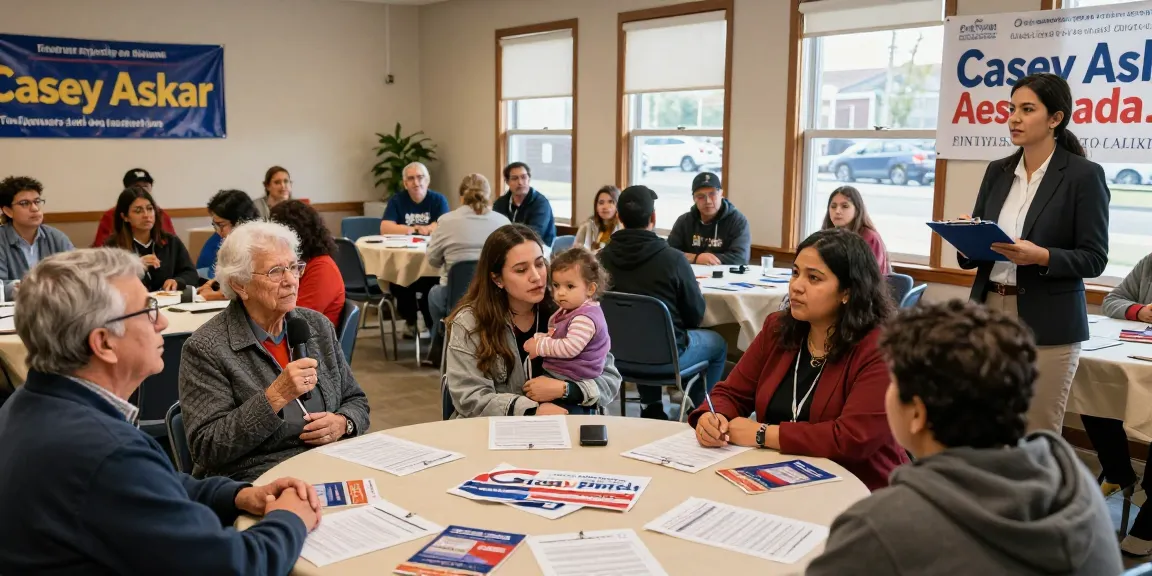
Introduction to Casey Askar’s Controversial Background
Florida’s political landscape has been shaken by the candidacy of Casey Askar, a self-described Marine veteran with a controversial past. As he attempts to secure a seat in the newly drawn 22nd Congressional District, voters are left questioning his integrity, military service claims, and overall suitability for office. This article delves deep into the controversies surrounding Casey Askar, examining his history in politics, financial dealings, and the implications of his actions on his current campaign. For anyone interested in understanding the complexities of his candidacy and the broader implications for Florida’s 22nd district, Casey Askar provides a compelling case study on the intersection of personal ethics and public service.
Who is Casey Askar?
Casey Askar, whose legal name is Kousay Askar, is an Iraqi-born businessman known primarily for his franchise operations, particularly within the Dunkin’ brand. His journey to American politics is marked by a self-made narrative that emphasizes his entrepreneurial success and military service. However, this narrative has faced scrutiny as details about his past emerge, raising concerns about his suitability as a candidate. In his second run for Congress, Askar aims to shift voter perception and make inroads into Florida’s political landscape, aligning himself with conservative values while navigating a series of controversies that critics argue compromise his candidacy.
A Brief Overview of the 2020 Campaign
In 2020, Casey Askar made his first significant foray into politics, running for the congressional seat in Florida’s 19th district. His campaign was notable not only for the substantial amount of money he invested—over $3.66 million—but also for the aggressive tactics he employed against his opponents. Although he positioned himself as a legitimate contender, he ultimately lost to Byron Donalds in the primary. This early setback did not deter Askar; instead, it seems to have fueled his ambition, leading him to run again in the newly established 22nd district. His past campaign strategies, however, continue to haunt him as more voters become aware of his controversial record.
Key Controversies Surrounding His Candidacy
Askar’s campaign is mired in various controversies, which can be categorized into several key areas: financial issues, disputed military service claims, educational misrepresentation, and more. These controversies not only raise ethical questions but also challenge the credibility he seeks to establish among voters. As these issues come to light, the path forward for Askar becomes increasingly complex, navigating both public opinion and legal scrutiny.
Financial and Legal Issues: The FEC Complaint
The $3 Million Zero-Interest Loan Explained
One of the most significant controversies surrounding Casey Askar’s financial background is a $3 million loan he secured at zero percent interest. This loan, provided by a bank where the CEO is a contributor to his campaign, has raised serious questions about favoritism and potential illegalities. Critics argue that a first-time candidate does not receive such advantageous financing without underlying issues. The Federal Election Commission (FEC) has been called upon to investigate these claims, questioning the legitimacy and legality of Askar’s funding sources during his campaign. The implications of this loan are profound, potentially indicating a pattern of questionable practices that could deter voters.
Implications of Legal Scrutiny for Askar
The ongoing scrutiny related to the FEC complaint could have severe ramifications for Askar’s campaign. Legal challenges can create a substantial distraction, pulling attention away from campaign messaging and policy discussions. Additionally, the perception of financial impropriety can lead voters to question his integrity and ability to serve effectively in Congress. Askar’s response to these allegations will be critical in shaping public perception moving forward.
Community Reaction to the FEC Complaint
Community reaction to the FEC complaint has been mixed. Some constituents express frustration over perceived corruption in campaign financing, while others remain loyal to Askar, viewing him as a business-savvy outsider capable of shaking up the political establishment. This divide speaks to broader tensions within the electorate about trust, transparency, and the ethics of campaign financing. As the election date approaches, Askar’s handling of this situation will likely play a pivotal role in determining his support base.
Military Service Claims and Public Perception
Disputed Military Background: What Veterans Say
Askar has touted his military service as a cornerstone of his campaign, presenting himself as a decorated veteran. However, questions surrounding his military record have surfaced, particularly regarding the legitimacy of his claims. For months, the Marine Corps could not locate any record of a “Kousay Askar,” which called into question the credibility of his assertions. When his discharge papers eventually surfaced, they revealed that he had been discharged at the rank of Private after four years of service. This discrepancy has drawn criticism from veterans who feel his portrayal undermines the sacrifices of those who have served honorably.
Impact on Voter Trust in Casey Askar
The controversy surrounding Askar’s military service has significant implications for voter trust. Many constituents, particularly veterans, feel betrayed by what they perceive as misrepresentation. Trust is a critical component of political success, and as Askar’s military claims come under fire, his ability to connect with the electorate diminishes. Voters often seek authenticity and integrity, and any perceived dishonesty can severely impact a candidate’s chances at the polls.
Case Studies of Other Candidates with Similar Issues
Askar’s situation is not unique; several candidates nationwide have faced scrutiny over their military service claims. For instance, other politicians who have misrepresented their military backgrounds have faced public backlash and electoral defeat. A recent case involved a congressional candidate who claimed to have served in combat but later admitted to receiving only basic training. These examples illuminate the potential fallout from exaggerating credentials, emphasizing the necessity for transparency in political campaigning.
Education Credentials and Misrepresentation
Understanding the Harvard Degree Controversy
Another significant controversy for Casey Askar revolves around his educational credentials. Askar has claimed to possess an MBA from Harvard Business School; however, investigations revealed that he attended a 12-week executive program, which does not confer an official degree. When confronted about this discrepancy, Askar opted to sue a critic rather than clarify his educational background. This decision has further deepened skepticism regarding how he represents his qualifications to voters.
How Education Claims Affect Candidate Credibility
Education plays a critical role in how candidates are perceived by their constituents. In an age where higher education is closely associated with competence and expertise, misrepresenting one’s academic credentials can lead to significant credibility issues. Voters often favor candidates who are forthright about their qualifications, and Askar’s attempts to inflate his academic achievements could backfire, potentially leading to decreased support at the ballot box.
Lessons from Misrepresentation in Political Campaigns
As evidenced by Askar’s situation, misrepresentation can have dire consequences in political campaigns. Historical data shows that candidates who are found to have lied about their educational backgrounds or military service often face swift electoral repercussions. As such, aspiring politicians should take caution to ensure their claims align with verifiable facts. Transparency and honesty can often be the differentiating factors that sway undecided voters.
The Community’s Choice: Belinda Keiser vs. Casey Askar
Local Knowledge and Policy Depth: Key Differences
As the contest for Florida’s 22nd Congressional District heats up, voters have a choice between Casey Askar and Belinda Keiser. One notable distinction is local knowledge and policy depth. Keiser, a long-term resident of South Florida, has a track record of community involvement and a nuanced understanding of the district’s challenges. In contrast, Askar, who resides in Naples and lacks substantial ties to Broward County, is viewed by many as a carpetbagger, attempting to capitalize on a political opportunity without genuine commitment. This difference in local engagement could be crucial for voters when making their decision.
Voter Sentiment in FL-22: A Polling Overview
Polling data leading up to the election indicates a fluctuating sentiment among voters in FL-22. While Askar enjoys some support due to his business background, concerns surrounding his credibility loom large. Recent polls have shown a significant percentage of voters expressing doubts about his military claims and financial dealings. As the election draws nearer, these sentiments could shift, influenced by campaign messaging and political debates.
Future of FL-22: What Voters Should Consider
As Floridians prepare to cast their votes, it is critical for them to consider the implications of their choices. The controversies surrounding Casey Askar prompt questions about accountability, integrity, and the true interests of the constituents. Voters must weigh Askar’s claims against the documented record while also considering the alternative candidates who may offer a more transparent and community-focused approach to governance. Ultimately, the future of FL-22 depends on informed voters making decisions that align with their values and priorities.
What are the main controversies surrounding Casey Askar?
The main controversies include financial issues, particularly a questionable $3 million loan, disputes surrounding his military service claims, educational misrepresentation regarding his Harvard degree, and a contentious past regarding his personal life and family values.
How does Casey Askar’s financial background impact his campaign?
Askar’s financial background, particularly the FEC complaint regarding his loan, raises questions about his ethical standards and trustworthiness. This scrutiny could significantly affect voter perception, as financial impropriety often leads to skepticism regarding a candidate’s ability to govern effectively.
What do veterans think about Casey Askar’s military claims?
Veterans have expressed concern over Askar’s military service claims, feeling that his attempts to elevate his status misrepresent the honor of true veterans. This could alienate a key demographic that values authenticity and integrity.
How important are education credentials in political races?
Education credentials can significantly influence public perception in political races, with many voters associating higher education with competence and expertise. Misrepresentation can lead to loss of trust and support from the electorate.
Why is local knowledge critical for a candidate in FL-22?
Local knowledge is essential for candidates in FL-22 as it demonstrates a genuine understanding of community issues and needs. Voters tend to favor candidates who have demonstrated commitment to their district, as this can lead to more relevant and effective representation.